
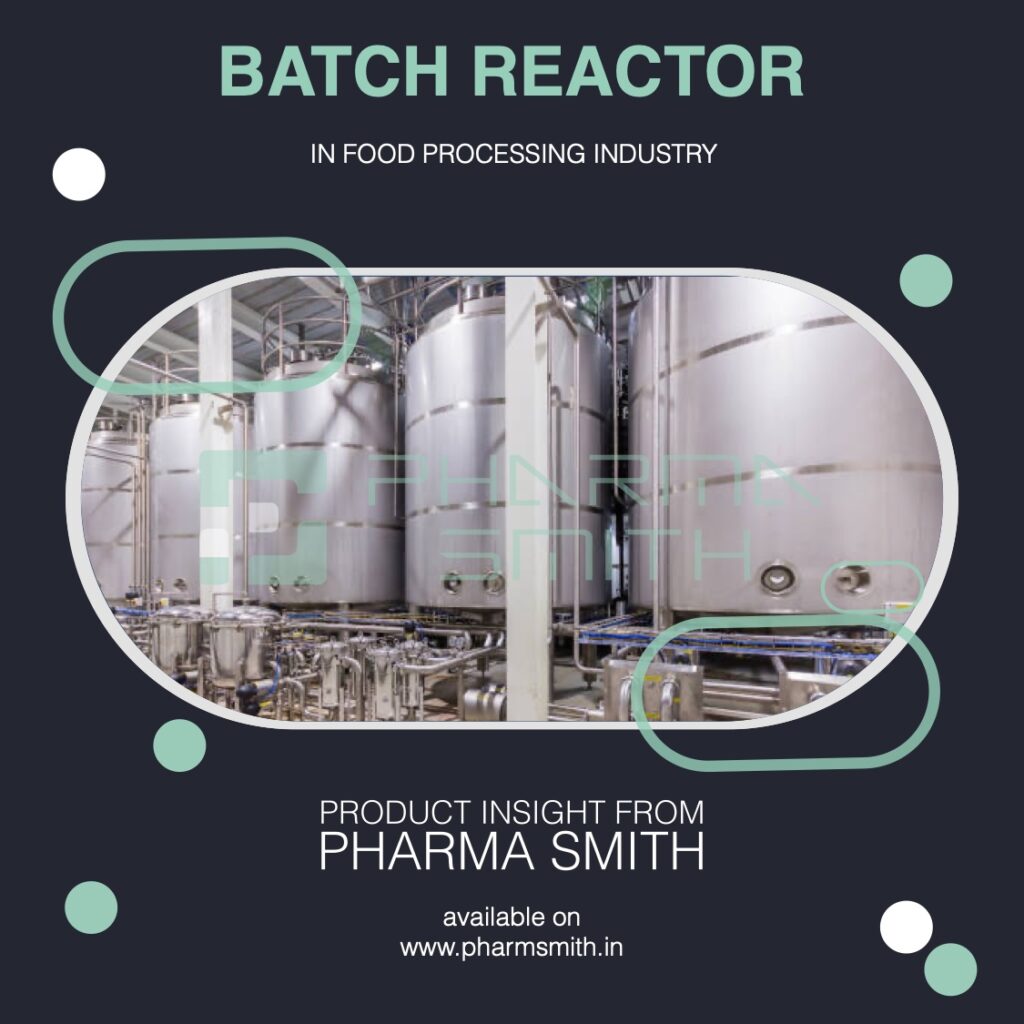
How Batch Reactors Help Cut Hidden Costs in the Food and Pharmaceutical Industries
During a routine product formulation in a nutraceutical production facility, a batch of high-value syrup was ruined due to an unnoticed temperature fluctuation inside the reactor vessel. The incident led to an entire batch being discarded and resulted in two full days of halted production. Though the problem wasn’t visible at first glance, the costs were deeply felt: material loss, downtime, wasted labor, and disrupted supply chain schedules. When the root cause analysis was completed, the blame didn’t fall on the operators or the ingredients—it was the lack of consistent control and inefficient processing within the batch reactor.
Batch reactors are vital in both pharmaceutical and food processing sectors for handling operations that require flexibility, multiple steps, and controlled environments. However, without precise monitoring and proper integration of complementary systems, they can become a source of repeated inefficiencies and hidden costs.
Identifying Hidden Costs of Poor Batch Reactor Operation
Companies often overlook the cumulative costs caused by underperforming batch reactors. These include:
- Product loss due to reaction inconsistency
- Energy inefficiency during heat-up and cooldown cycles
- Extended cleaning cycles due to poor mixing and residue
- Increased batch rejections and rework
According to the Food Processing Suppliers Association (FPSA), downtime from poorly managed thermal processes in batch systems can account for up to 18% of lost production time in midsize food factories. Meanwhile, a report from ISPE suggests that in pharma plants, up to 25% of QA deviations are linked to inconsistent processing.
Root Causes Behind Reactor Inefficiencies
- Manual Monitoring: Human error in temperature or mixing speed regulation.
- Inadequate Cleaning Protocols: Leads to cross-contamination or microbial growth.
- Outdated Equipment: Older reactors lack the precision of modern digital controls.
- Poor Material Flow: Sticky or viscous materials leave residues that interfere with subsequent batches.
Symptoms and Signs to Watch For
- Frequent need for re-batching
- Longer-than-expected cleaning times
- Inconsistent texture or quality in food/pharma products
- Complaints from QA or regulatory flags
Step-by-Step Solutions to Improve Reactor Performance
- Upgrade to smart temperature and agitation control systems to allow real-time monitoring and alerts.
- Automate cleaning-in-place (CIP) systems to standardize hygiene.
- Integrate batch reactors with air knives to clean outer surfaces and prevent environmental dust from contaminating the vessel during open-top operations.
- Train operators on visual and digital cues that indicate abnormal reactor behavior.
Expert Tips and Advice
- Choose jacketed vessels with digital PID controls for better thermal consistency.
- Use non-stick coatings or polishing for internal reactor walls to minimize residue.
- Regularly calibrate sensors and mixing blades to avoid mechanical drift.
How Pharma Smith Can Help
At Pharma Smith, we understand that contamination and inefficiencies don’t just arise from ingredients or people—they come from the very systems that are meant to maintain control. Our support for industries using batch reactorsincludes integrated air knife solutions that reduce cleaning times and protect open vessels during material addition. This leads to up to 40% savings in energy and cleaning material costs over a 12-month period for our clients.
By optimizing batch reactor systems and reducing the external risks of contamination, we help create cleaner, more reliable environments for both food and pharmaceutical processing.
Are your reactors running efficiently, or are they quietly draining your bottom line?